Tennessee Oncology Physician Contributes to Landmark Longevity Research
PR Newswire
NASHVILLE, Tenn., Oct. 7, 2026
Dr. Yanjun Ma helps uncover genetic and epigenetic clues to extraordinary longevity and cancer resistance in 194-year-old giant tortoise
NASHVILLE, Tenn., Oct. 7, 2026 /PRNewswire/ -- Tennessee Oncology is contributing to groundbreaking research into one of biology's most enduring questions: why some animals can live extraordinarily long lives without developing cancer.
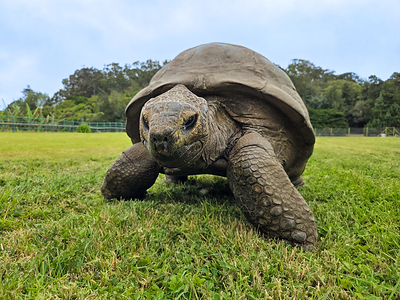
Yanjun Ma, M.D., Ph.D., a medical oncologist and researcher at Tennessee Oncology who practices in Murfreesboro, is an author of a new study published today in Science Advances examining the genetic and epigenetic characteristics of Jonathan, a 194-year-old giant tortoise believed to be the world's oldest known living land animal.
Researchers identified 287 unique genetic variants associated with biological processes that may help explain Jonathan's remarkable longevity and resistance to age-related disease. These include pathways involved in DNA damage repair, inflammation, insulin regulation and cancer suppression.
Dr. Ma contributed to the study's analysis of Jonathan's epigenome, the collection of chemical modifications that regulate how genes are expressed without changing the underlying DNA sequence. The researchers examined epigenetic features that may help explain how giant tortoises can maintain cellular health and suppress cancer despite living for nearly two centuries.
"Jonathan offers scientists an extraordinary opportunity to study the biological mechanisms associated with extreme longevity and cancer resistance," said Dr. Ma. "Understanding how these mechanisms work at the genetic and epigenetic level could ultimately provide insights into new approaches to preventing cancer and developing therapies to treat disease. I am proud that Tennessee Oncology was able to contribute to this important research."
Learning From Nature's Survivors
Giant tortoises are of particular interest to longevity researchers because they can live for more than a century despite their large body size. Jonathan, a Seychelles giant tortoise, is estimated to have been born around 1832 and arrived on the island of St Helena in 1882. At approximately 194 years old, he is recognized as the oldest known living terrestrial animal.
Jonathan's extraordinary lifespan means he has lived through nearly two centuries of human history. He was alive during the presidencies of Andrew Jackson and Abraham Lincoln and was a contemporary of Charles Darwin, Queen Victoria and Gustave Eiffel.
The study represents the first investigation of the epigenome of a giant tortoise, providing researchers with a new window into the biological mechanisms that may contribute to extreme longevity. "Since increasing age is one of the greatest risk factors for development of most cancers, understanding how humans or in this case tortoises age should benefit cancer treatment. Dr. Ma's knowledge of oncology was especially helpful for us in understanding how some of Jonathan's gene variants kept him cancer free", said Stephen Clark, MD, PhD, the Chief Scientist at Kallel and the paper's senior and corresponding author.
For Tennessee Oncology, the research also reflects the practice's commitment to advancing cancer science beyond the traditional boundaries of clinical oncology. Tennessee Oncology is a founding practice of OneOncology, the physician-led national partnership for independent medical practices.
"Cancer research is often focused on understanding why cells become diseased," said Natalie Dickson, MD, Tennessee Oncology's CEO. "Studies like this allow us to approach the question from another direction: What enables an organism to live for nearly two centuries while maintaining mechanisms that protect against cancer? Nature has already developed some remarkable solutions. Our job as scientists is to understand them."
The research was led by scientists at Kallel (www.kallel.org), a nonprofit organization focused on longevity research and included collaborators from multiple institutions.
About Tennessee Oncology:
Tennessee Oncology, one of the nation's largest community-based cancer care practices, is home to one of the leading clinical trial networks in the country. Established 1976 in Nashville, Tennessee Oncology's mission remains unchanged: To provide access to high-quality cancer care and the expertise of clinical research for all patients, at convenient locations within their community and close to their home. Our growing network of physicians and locations is based on this mission. For more information, visit www.tnoncology.com.

 View original content to download multimedia:https://www.prnewswire.com/news-releases/tennessee-oncology-physician-contributes-to-landmark-longevity-research-302901459.html
SOURCE Tennessee Oncology
