Children of Centenarians Often Live Longer, Develop Some Age-Related Diseases Later
PR Newswire
BRONX, N.Y., Aug. 26, 2026
Largest study to date of centenarians' offspring points to inherited biological factors beyond lifestyle as contributors to exceptional healthy aging
BRONX, N.Y., Aug. 26, 2026 /PRNewswire/ -- Adults with at least one parent who reached age 100 lived longer and had substantially lower risks of cardiovascular disease and hypertension than people whose parents had shorter lifespans, according to a study published today in JAMA Network Open.
The study, led by researchers at Albert Einstein College of Medicine, Boston University, and Tufts Medical Center, adds to evidence that exceptional longevity and healthy aging run in families and suggests that inherited biological factors may help explain those advantages beyond lifestyle.
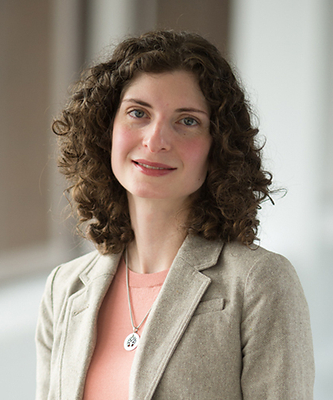
"Centenarians—people who live to age 100 or older—offer crucial insights into what it looks like to age well," said Sofiya Milman, M.D., M.S., professor of medicine and of genetics at Einstein, vice chair for research in the department of medicine, and senior author of the study. "We wanted to know whether they pass their good health and longevity down to their children—and, if so, whether those advantages can be explained by healthy habits or whether something more fundamental, like genetics, is at work."
Examining Existing Studies
Dr. Milman and colleagues analyzed data from three geographically diverse, long-running studies—the Einstein-led LonGenity study, the New England Centenarian Study (NECS) at Boston University, and the UK Biobank. A total of 2,319 centenarians' offspring were compared with 2,703 controls. Centenarians' offspring had at least one parent who reached age 100, while parents of control participants lived to age 85 or younger or were spouses of centenarians' offspring.
The data spanned 16 years for LonGenity and the UK Biobank and 29 years for NECS. Although the three studies collected their data independently, the researchers used the same approach to compare participants' risks of death and age-related diseases and determine whether the findings were consistent across all three groups.
Discovering Strikingly Similar Results
The researchers found that the health advantages associated with exceptional parental longevity remained largely consistent after accounting for lifestyle factors, including smoking, alcohol use, exercise, and diet, as well as education and socioeconomic status.
Compared with people whose parents had shorter lifespans, centenarians' offspring at any given age had a 42% lower risk of death, a 33% lower risk of cardiovascular disease, and a 32% lower risk of hypertension.
In addition, these outcomes tended to occur later in life among centenarians' offspring: on average, death occurred about three years later and hypertension about five years later. Having a centenarian parent did not clearly confer protection with respect to stroke (risk was reduced only in the LonGenity and NECS studies) and cancer (centenarians' offspring were no less likely to develop cancer, a finding consistent with some previous studies).
"The overall consistency of these findings across these quite different studies was especially noteworthy and reinforces the idea that exceptional longevity runs in families," said Eric Reed, Ph.D., staff scientist in medicine, and lead author of the study. "This is not to say that lifestyle doesn't count—healthy behaviors remain important for everyone. But some people from families with exceptional longevity appear to enjoy biological advantages that help them remain healthy despite the environmental and behavioral factors that affect us all."
A Window into Healthy Aging
"This study wasn't designed to identify the specific inherited traits that benefit centenarians' children," Dr. Milman said. "However, studying families with exceptional longevity can provide a unique window into the biology of healthy aging. Our findings provide a strong rationale for studying centenarians and their families to uncover those biological factors that promote longevity and protect these individuals from age-related diseases.
"Ultimately," Dr. Milman added, "discovering those factors could lead to treatments that mimic the effects of naturally occurring longevity mechanisms, potentially helping people who did not inherit exceptional longevity to live longer and healthier lives."
"This study provides strong evidence that the offspring of centenarians share some of their parents' advantages in healthy aging," said study co-author Paola Sebastiani, Ph.D., director of the Center for Quantitative Methods and Data Science at Tufts Medical Center. "These findings bring us closer to understanding the biological factors that may help protect against age-related disease and promote longer, healthier lives."
Additional Einstein authors include Matthew Wysocki, M.D., and authors Maya Gal, B.A., Sandra Aleksic, M.D., Tina Gao, M.P.H., Kenny Ye, Ph.D., and Anna E. Bortnick, M.D., Ph.D. Other authors were Stacy Andersen, Ph.D., and Thomas Perls, M.D., of Boston University.
The paper, "Association of Parental Exceptional Longevity with Onset of Morbidity and Mortality Across Cohorts" (DOI: 10.1001/jamanetworkopen.2026.30964) was supported by NIH grants R01AG044829, R01AG061155, R01AG088659, U19AG023122, UH2AG064704, K23HL146982 and K76AG083274, as well as the Resnick Emerging Scholars in Aging award.
About Albert Einstein College of Medicine
Albert Einstein College of Medicine is one of the nation's premier academic centers for basic science research, clinical investigation, and biomedical education. Located in the Bronx, Einstein is home to nearly 1,000 M.D., Ph.D., and M.D./Ph.D. students and more than 2,000 full-time faculty members. Einstein receives approximately $200M in funding from the National Institutes of Health (NIH) each year and houses six NIH-funded research centers, in cancer, intellectual and developmental disabilities, clinical and translational research, AIDS, and two in diabetes. In partnership with Montefiore Health System, Einstein advances clinical and translational research to accelerate the pace at which new discoveries become the treatments that benefit patients. For more information, please visit einsteinmed.edu, and follow us on Instagram, LinkedIn, Twitter, Facebook, and view us on YouTube.

 View original content to download multimedia:https://www.prnewswire.com/news-releases/children-of-centenarians-often-live-longer-develop-some-age-related-diseases-later-302860788.html
SOURCE Albert Einstein College of Medicine
